All Categories
Featured


Will Your Enterprise Ready for the 2026 Transition?
Table of Contents
The tool's capability to produce actionable insights with aligned jobs and prioritize them by organization efforts allows enterprises to take on the most vital components for app modernization tasks initially, guaranteeing that the improvement aligns with the company's strategic concerns. By leveraging vFunction, companies can accomplish a smoother shift, lessening downtime and preventing the common risks associated with complicated tradition application modernization projects.
Business application modernization is; it's an ongoing tactical need in today's fast-evolving digital landscape. By continually updating legacy systems, enterprises can unlock new levels of agility, improved security, and effectiveness. This digital change also permits organizations to better satisfy customer needs, adapt to market changes, and take advantage of emerging innovations such as AI and cloud computing.
To explore how vFunction can assist you with pragmatically executing your modernization strategy, call our team today. Perform your modernization technique with vFunction.
Numerous services are planning to update their IT in 2025. To address these concerns, TierPoint surveyed 400 IT leaders to reveal modernization patterns impacting key decision-making.
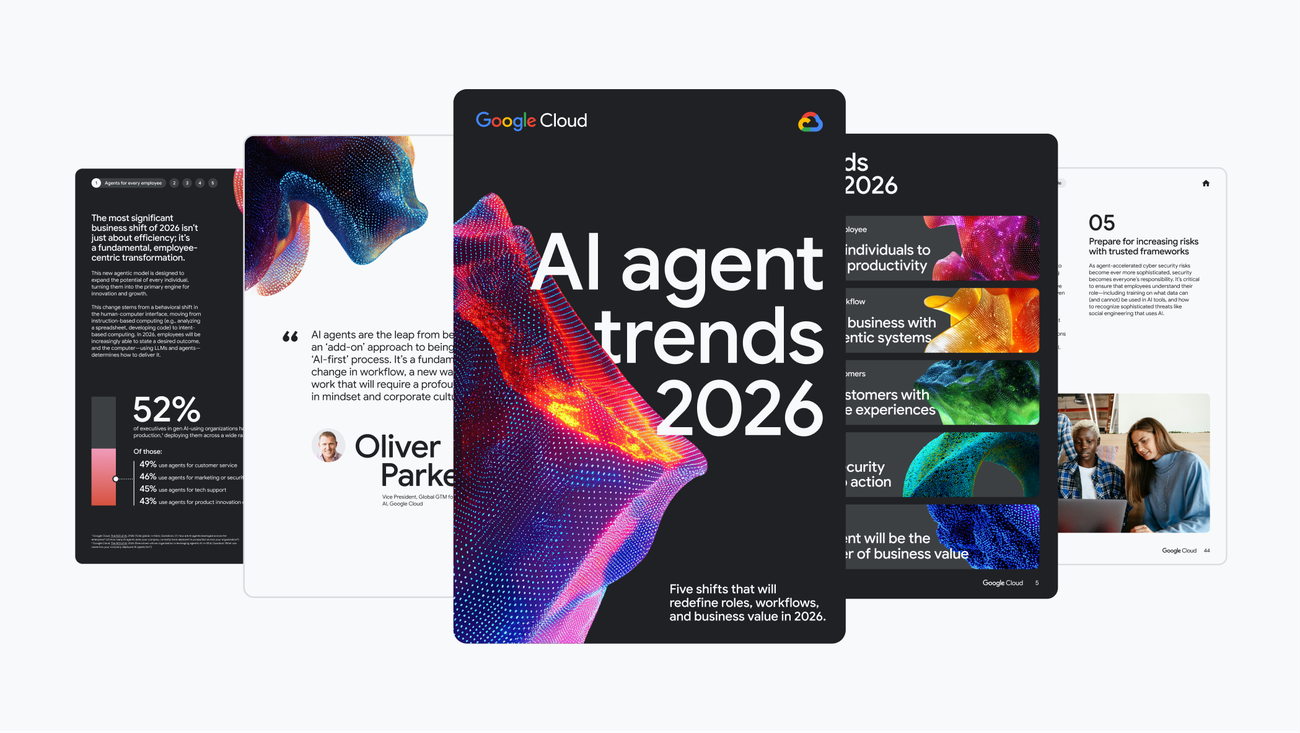
Download the eBook to find 5 IT modernization patterns that can assist you assist your digital transformation. The Leading Modernization Concern for Organizations The Modernization Efforts on the Rise The Most Significant Modernization Obstacle for Services.
Is Your Enterprise Prepared for the 2026 Shift?
Technology portfolio modernization and rationalization is the number one DX obstacle for CIOs today. IT organizations require to produce an IT modernization and justification strategy that aligns with their total DX technique. Based upon IDC's research study, 83% of enterprises are rationalizing their technology infrastructure; however, just 35% report that their approach to justification is reliable.
Key Steps for Implementing Scalable Cloud SolutionsKey is developing a balance between legacy and modern-day methods in a continuous improvement procedure for IT, considered that few organizations can remove all existing systems and start fresh. Peer suggestions and factors to consider for functions and procedures, operation strategies, data services, system develop paradigms and facilities innovations are included.
IDC believes that from a practical and company point of view, modernization and justification allow IT to provide innovative digital change items and competitive IT services at maximum cost. To much better accomplish financial and business benefits, CIOs need to focus on modernization, not just justification. To undergo the modernization of your infrastructure for the digital business, the organization needs to take the following steps: Establish the metrics that determine the efficiency of your facilities modernization program Develop a constant process for IT facilities modernization Improve IT infrastructure using more recent "construct and release" paradigms Transform skill and procedures to lower threat and accelerate the advancement and release of company applications Transform IT governance and operations.
What should you do to keep your system up-to-date? Let's discover out! Enterprise software application development is the production of distinct software application that will be targeted at fixing service problems or streamlining its work. As a rule, for large business, such software application shares specific tools and methods to match precise organization activity.
Financial Accounting precise reporting, compliance support, and realtime visibility into spending plans. Company Analytics datadriven insights for much better decisionmaking. In brief, business info development changes isolated workflows into a connected, smart community that fosters development, compliance, and development.
Critical Modernization Trends to Watch
Services with upgraded business software experience the following benefits: Increased Performance and Performance. Automation frees up staff for core activities and reduces human mistakes to a minimum. Enhanced Data Security and Compliance. Modern, cloud-native applications stand out at data protection, with boosted security measures and built-in regulative compliance. Scalability and Versatility.
Improved Decision-Making. Advanced data analytics, typically integrated with AI forecasts and enhancements, allow faster and more precise business decisions. Expense Optimization and Personalization. Low-code platforms enable customized, customized options that enhance the expenditure. Future-Proofing Operations. Organizations remain resistant and future-proof. Therefore, to stay up to date with the times, simplify the work process, and manage the development of the business, special corporate applications are needed.
Our synthetic intelligence is progressing from a state where it can just bring out tasks to one where it can reason, strategy, and act according to specific guidelines. This kind of system does more than simply follow guidelines; it likewise assesses context, selects actions, and coordinates processes throughout systems, all while keeping human beings notified.
Enterprise software application development is the development of special software that will be aimed at solving organization problems or simplifying its work. As a rule, for large companies, such software shares specific tools and techniques to suit exact business activity.
Financial Accounting accurate reporting, compliance support, and realtime exposure into budgets. Organization Analytics datadriven insights for better decisionmaking. In short, business details advancement changes separated workflows into a linked, intelligent environment that promotes growth, compliance, and innovation.
Why Enterprise Modernization Future-Proofs the Modern Estate
Services with upgraded enterprise software application experience the following benefits: Increased Efficiency and Productivity. Automation maximizes personnel for core activities and lowers human mistakes to a minimum. Boosted Data Security and Compliance. Modern, cloud-native applications excel at information protection, with improved security measures and integrated regulatory compliance. Scalability and Flexibility.
Improved Decision-Making. Advanced information analytics, typically incorporated with AI predictions and augmentations, allow much faster and more accurate business decisions. Expense Optimization and Customization. Low-code platforms allow custom-made, tailored options that enhance the expense. Future-Proofing Operations. Organizations remain resilient and future-proof. Therefore, to keep up with the times, simplify the work procedure, and control the advancement of the business, special business applications are required.
Our expert system is progressing from a state where it can just bring out jobs to one where it can reason, plan, and act according to specific guidelines. This sort of system does more than simply follow guidelines; it likewise assesses context, chooses actions, and collaborates processes throughout systems, all while keeping humans notified.

Latest Posts
Maximizing ROI Through Transformative AI-Cloud Architectures
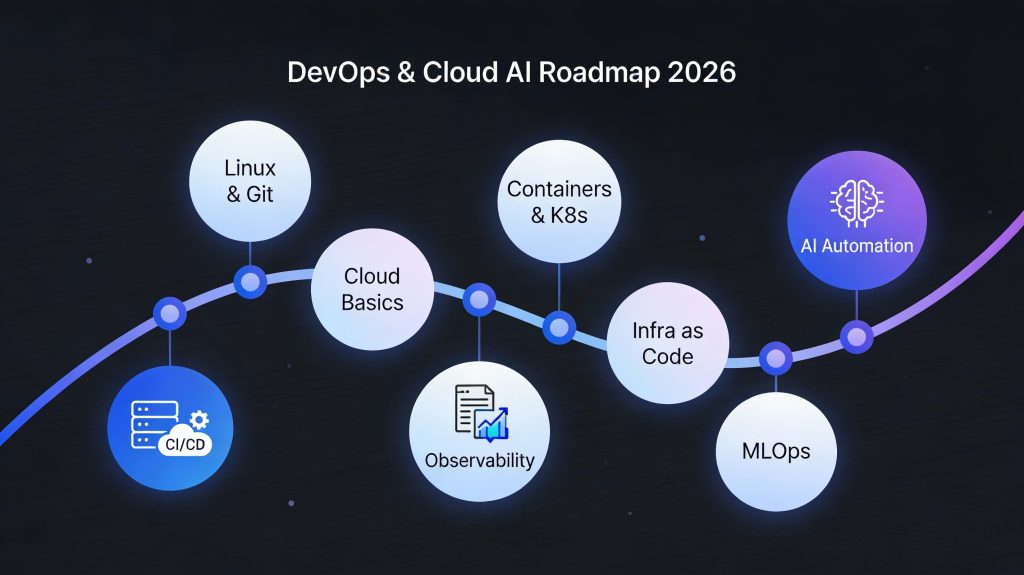
Modernizing Your Business for the 2026 Shift
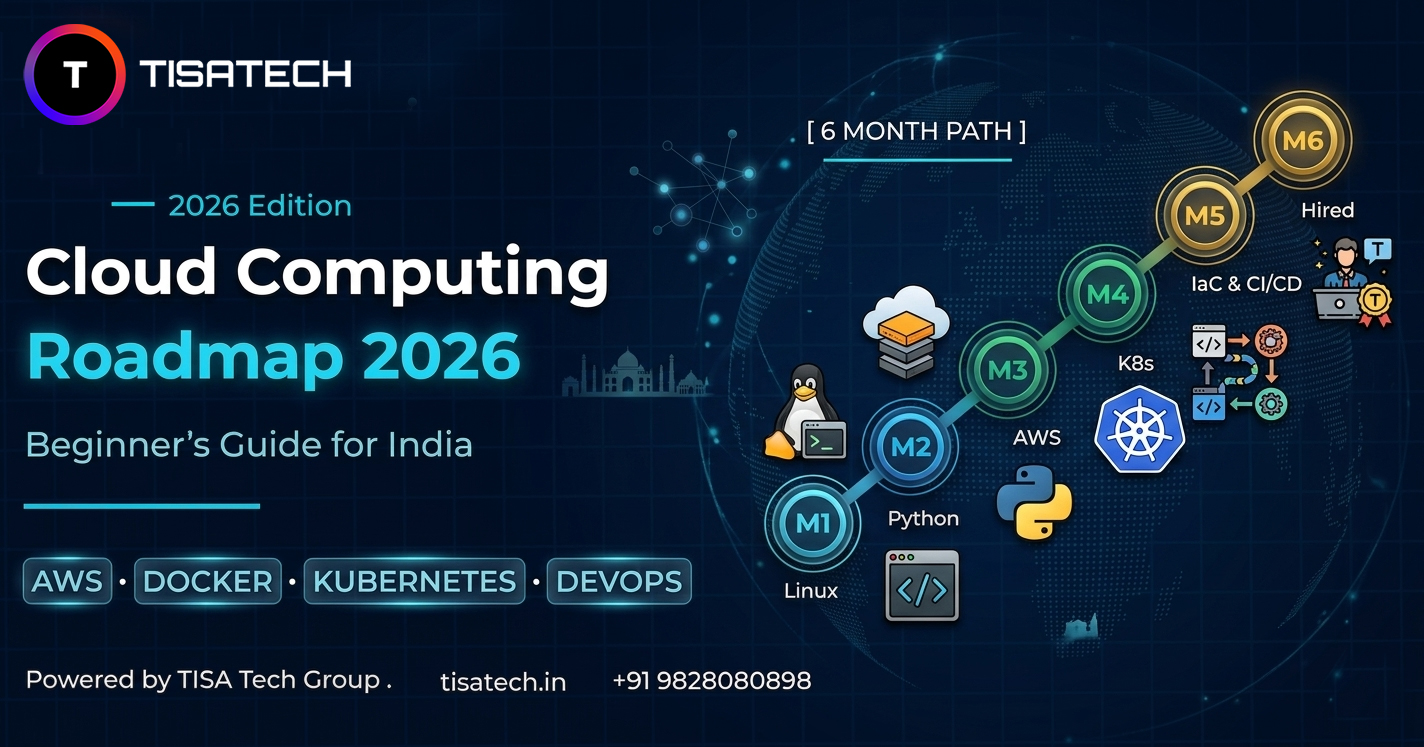
Driving Modernization With AI-First Digital Models