All Categories
Featured

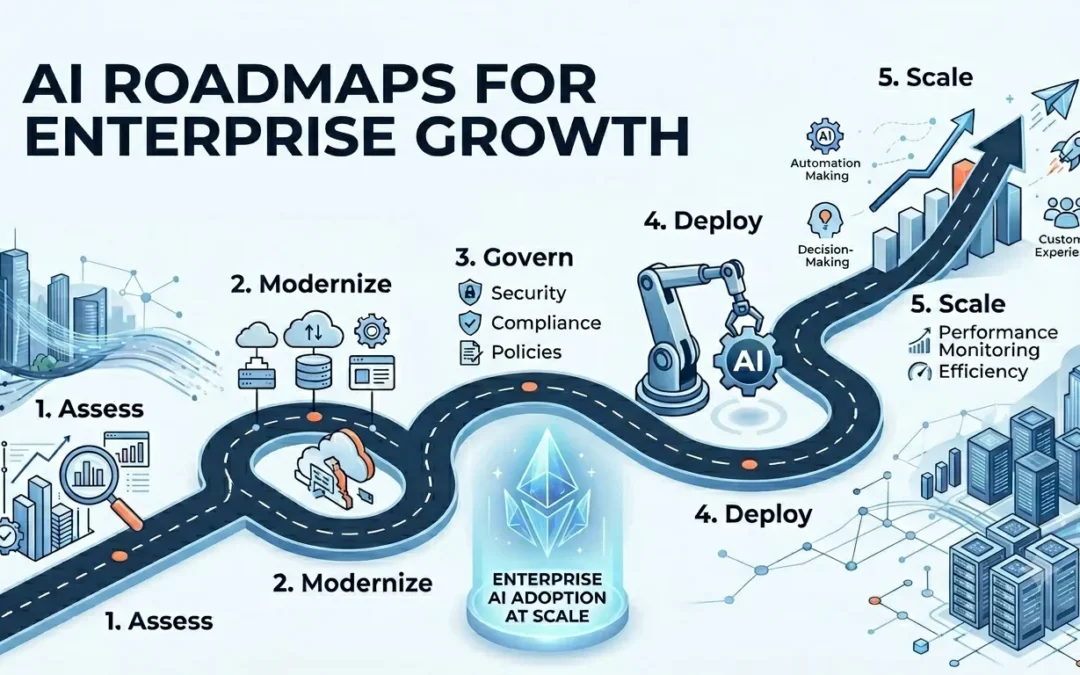
Traditional Systems Versus Modern AI-Cloud Paradigms
Table of Contents
Our vendor-neutral method ensures that your cloud platform selection lines up with your architecture, budget plan, compliance, and future goals. Criteria AWS Azure Google Cloud Best For Broad-scale business requires Microsoft-centric services AI/ML and data-heavy work Strengths Biggest service range & worldwide protection Strong hybrid cloud & MS tool combination Leading in Kubernetes & analytics AI/ML SageMaker, Rekognition Azure ML, Cognitive Services Vertex AI, BigQuery ML Pricing Pay-as-you-go, booked, spot Hybrid benefits, enterprise deals Sustained-use discount rates Dev Tools AWS Dev Tools, CLI, SDKs Azure DevOps, GitHub Cloud Build, Functions, SDK Hybrid Support Outposts, VMware on AWS Azure Arc, Stack Anthos for multi-cloud Security Advanced IAM, compliance-ready Identity-focused security Zero-trust by default Cloud improvement can cause cost savings, but just with the ideal controls.
For an extensive understanding, take a look at the table. Cloud Improvement Strategy What Does It Do? Right-Sizing Resources Match compute, storage, and network resources to real usage. Autoscaling & Serverless Scale automatically and pay just for execution time to avoid overprovisioning. Usage-Based Billing Designs Use on-demand pricing to line up costs with real-time intake.
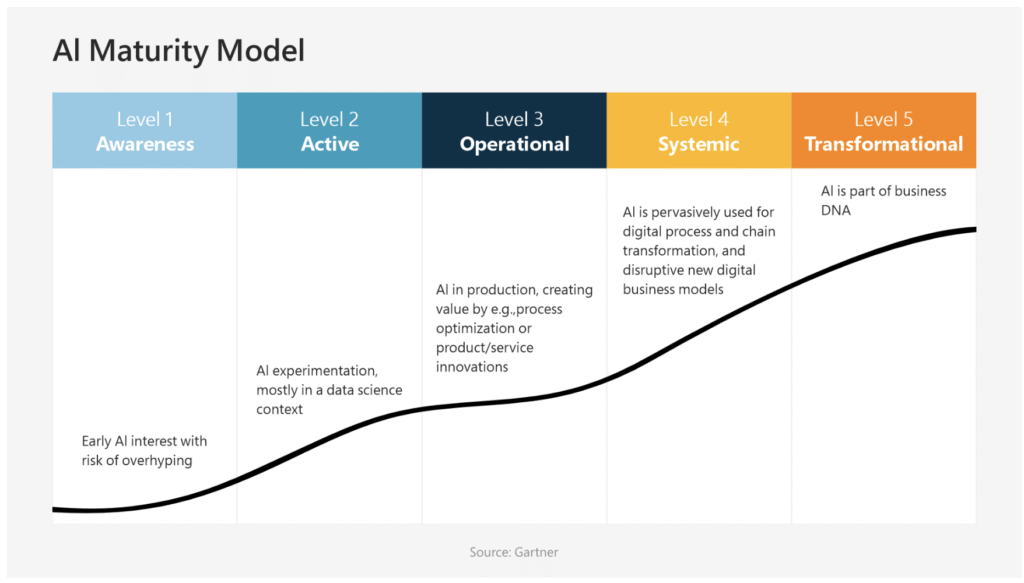
CI/CD Pipeline Effectiveness Automate screening and implementation to decrease environment waste and idle expenses. Reserved Instances Lock in long-lasting workloads at affordable rates for predictable cost savings.
Navigating the 2026 Cloud and Modern Roadmap
The concept of cloud computing, or the definition of cloud, indicates modern IT innovation utilized to process and store data not on computer system disks or local servers however in virtual space, creating a cloud environment. Cloud computing works by moving the provision of IT services (data, software application or computing power) to external servers.
In today's quickly progressing technological landscape, businesses are constantly seeking ingenious options to streamline their operations, improve efficiency, and get an one-upmanship. Among the most essential developments in the last few years has been the adoption of cloud options. This paradigm shift has actually revolutionized the way companies manage their data, applications, and resources.
Conventional on-premise services typically have a hard time to keep up with the ever-changing demands of companies. Cloud solutions, on the other hand, offer unrivaled scalability. Whether your service experiences an unexpected rise in need or needs extra resources for a brand-new job, cloud services can quickly and effortlessly adjust to your requirements.
Essential Strategies for Next-Gen Digital Systems
Embracing cloud options gets rid of the requirement for considerable in advance financial investments in physical hardware and facilities. Furthermore, you can prevent the continuous expenses of upkeep, upgrades, and security that come with on-premise options. Cloud service providers typically use a pay-as-you-go design, permitting you to optimize your expenditures and assign resources where they are required most.
Respectable cloud suppliers invest greatly in modern security protocols, file encryption technologies, and compliance accreditations. These steps guarantee that your data is safeguarded against cyber risks, unapproved access, and potential catastrophes. The contemporary organization landscape needs seamless collaboration amongst teams, regardless of their physical place. Cloud options enable real-time collaboration on documents, jobs, and applications from anywhere with an internet connection.
In the occasion of a natural disaster, hardware failure, or other unforeseen scenarios, cloud options offer robust disaster healing and service connection techniques. With information kept in geographically redundant data centers, you can quickly recover crucial details and applications, making sure very little downtime and interruption to your operations. Cloud services supply a fertile ground for innovation.
Essential Strategies for Transformative Digital SystemsThis development not just drives efficiency but likewise positions your company at the leading edge of your market. Conclusion The adoption of cloud services represents a pivotal minute in the evolution of modern business operations. It empowers companies to scale, innovate, and contend in ways that were when unthinkable. By harnessing the power of the cloud, companies can future-proof their operations and embark on a transformative journey towards sustainable growth and success.
Traditional Systems Versus 2026 AI-Cloud Paradigms
It diligently brochures your IT facilities, debunking detailed application relationships and dependences. Partner with Hexaware for cloud migration that lines up with your spending plan without jeopardizing effectiveness. Through strategic cloud-native applications, custom resource changes, and intelligent auto-scaling, we supply a cost-efficient roadmap for your cloud journey.
Raise your modernization journey with Hexaware's exceptional proficiency in PaaS, CaaS, and FaaS environments. We assist you through re-platforming, refactoring, and rearchitecting, ensuring you extract optimum value from your cloud transformation. Hexaware alleviates your modernization stress and anxieties with automation-backed, framework-driven options, reducing possible threats and guaranteeing a successful modernization journey, causing concrete TCO cost savings.
The pandemic caused a transformation in the method companies operated. The work-from-anywhere (WFA) experiment demanded by the pandemic provided unmatched expense savings and continues to do so. Digital Marketplaces have actually ended up being the standard, and online client touchpoints have changed standard channels across industry verticals. Over the last number of years, it has actually become apparent that business that adapt quickly to changing market conditions outshine their peers significantly.
Digitalization goes one action further and focuses on improving organization procedures utilizing digital workflows. It focuses on enhancing the crucial efficiency signs (KPIs) per the tactical objectives of a business. Digital Change encompasses both digitization and digitalization along with service and individuals aspects. It covers everything from executing business applications and producing digital work designs to constructing brand-new services for clients and employees.
Is Your Business Prepared for 2026?
Setting-up on-premise infrastructure likewise involves employing IT resources which is an extra functional expenditure. Since it is challenging to anticipate ROI for big digital tasks, business leaders may be averse to taking the plunge.
Transformational tasks may need changes in the business models, office dynamics, and operating procedures. An understanding that prospective IT options might not provide the required versatility is one of the reasons digital improvement efforts fail to take off. Cloud technologies are ending up being the bedrock of transformation strategies for modern companies.
Cloud platforms are normally available on a monthly or yearly per-user membership basis. The cloud service supplier handles the servers, network components, and application updates in the background.
IT groups can instantly increase or reduce storage and computing capacities based on business requirements. You can likewise configure and personalize these workflows for policies and designs specific to your company.
Is Your Company Ready for 2026?
Service users can typically deal with these on their own. Modern cloud solutions use the newest security protocols at every layer, from hardware and operating systems to application and user levels.

Latest Posts

Maximizing ROI Through Transformative AI-Cloud Architectures
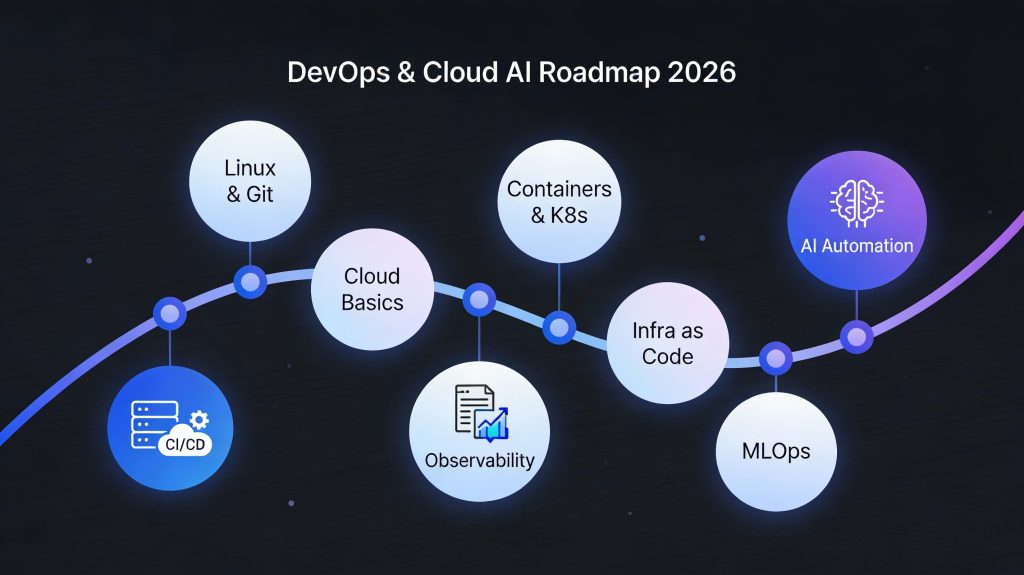
Modernizing Your Business for the 2026 Shift
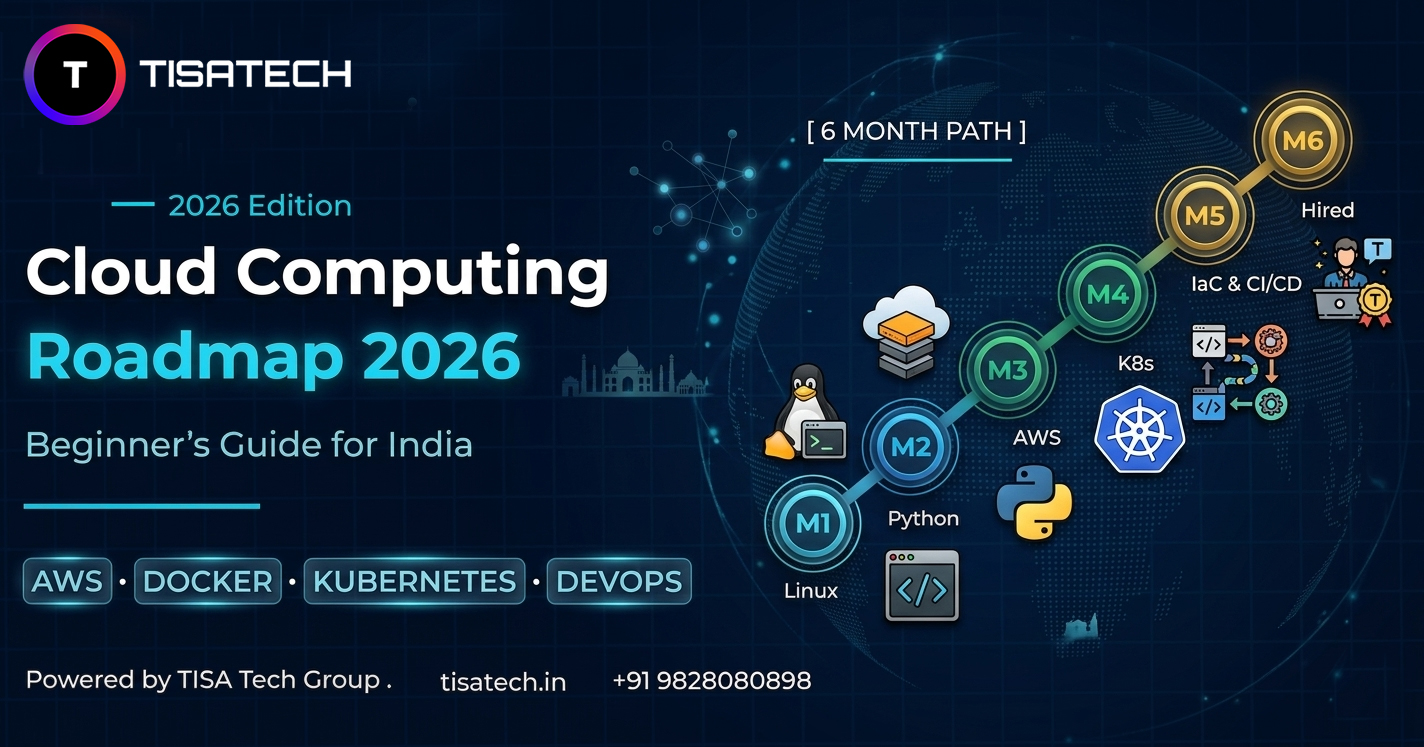
Driving Modernization With AI-First Digital Models