All Categories
Featured
Table of Contents
Let's clarify with an example from customer service: Expect a company moves from phone-based assistance to email or introduces a chatbot for after-hours questions. These are: using technology to enhance an existing procedure.
Digital change fundamentally alters the nature of support, making it more innovative, individual, and always readily available. That's digital transformation: an essential shift in how worth is provided through technology. The plan for digital transformation varies widely depending on a company's size, market, and objectives. With emerging technologies and shifting customer expectations, there's no fixed formula.
Many digital improvement efforts concentrate on these crucial areas: Automated workflows replace manual processes, reducing errors, increasing performance, and allowing employees to focus on higher-value tasks. Continually reconsidering how worth is delivered by streamlining digital journeys, accelerating assistance, and customizing experiences throughout all channels. Tradition systems frequently sluggish progress.
Advanced Cloud Platforms for Rapid Growth
Real-time information and analytics offer insights into performance and client behavior, enabling smarter, much faster decisions. Enhancing security, securing data personal privacy, and conference regulatory requirements are necessary to lessening interruptions.
According to Harvard Company Review, successful digital improvement tends to include five interconnected aspects:: Getting the best management, culture, and skill in place.: Gathering tidy, premium data across systems.: Turning that data into functional insights through analytics.: Operationalizing insights throughout workflows, systems, and decisions.: Determining outcomes and refining techniques based upon efficiency.
, also highlight the significance of aligning strategy, structure, and people to drive significant change. The 5 primary elements of digital change include individuals, information, insights, action and results.
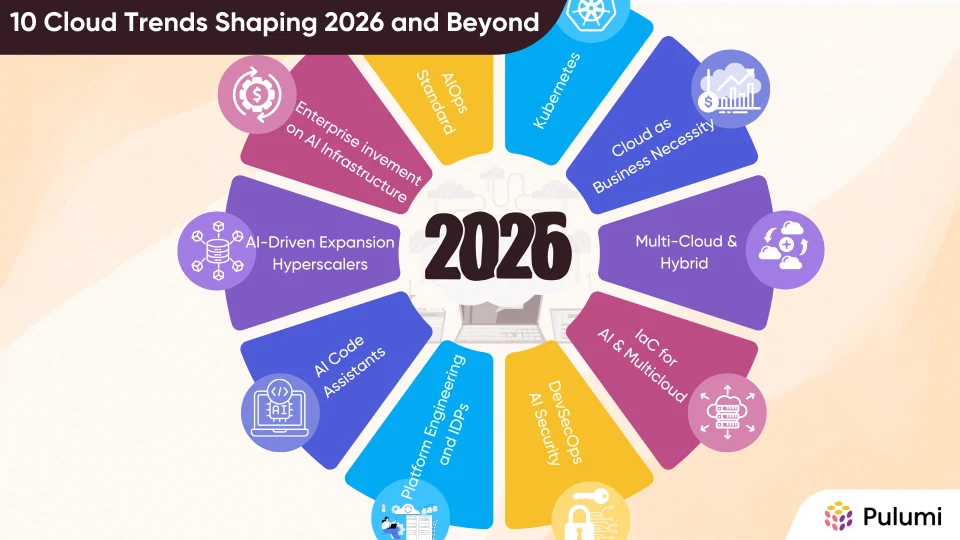
Navigating Your AI-Driven Convergence for 2026
Here are some particular real-world advantages can you expect: Leveraging the latest technologies enables you to reassess your entire business model. Early adoption or pioneering brand-new tools can assist you approach obstacles in special ways, grow market share, and stay ahead while rivals are still capturing up. Digital transformation enables you to boost the client journey from start to finish.
How Cloud-Native AI Supports Remote Work in AustraliaAutomating manual jobs improves workflows, decreases errors, and releases employees to concentrate on higher-value work. These effectiveness cause cost savings through much better resource allowance, fewer traffic jams, and, sometimes, minimized staffing requirements. Real-time information and incorporated systems supply teams with enhanced exposure, allowing your business to respond and adapt rapidly to market changes, customer demands, or internal challenges.
Here are some typical troubles to be mindful of:. Adopting cutting-edge technology is costly, particularly when developing new solutions. Beyond the innovation itself, training, recruitment, and unanticipated downtime can contribute to expenses. The long-term ROI is favorable, however success isn't immediate. A complete overhaul of existing processes can create genuine uncertainty for staff members.
Without buy-in from management and staff, digital change is most likely to stop working. Rolling out digital transformation at one time is barely useful: the scope is too broad and the danger is too high. Rolling out brand-new systems slowly can result in integration problems with existing tradition infrastructure, leading to data silos, bottlenecks, and aggravation for workers and consumers.
There's no single plan for digital improvement. Successful techniques do share some common characteristics: they're grounded in company objectives, flexible enough to progress with emerging tech, and tailored to a company's individuals, processes, and industry.
Why Information Locality is Essential for Australian AI ComplianceAnalyzing AI Impact On Modern Business Models
!? The most effective strategies are designed backwards from wanted outcomes to the innovations and processes that can deliver them. Your technique may include numerous focus areas depending on what you're trying to achieve:: Simplify procedures utilizing automation, cloud migration, and AI-based optimization to lower expenses and increase speed.
: Present new items, services, or shipment designs (like digital subscriptions, markets, or self-service platforms) to generate new revenue streams.: Gear up workers with digital tools, allow remote collaboration, and purchase upskilling to support improvement from within.: Reinforce cybersecurity, improve compliance, and design systems that are more versatile and fault-tolerant.

Latest Posts
Maximizing ROI Through Transformative AI-Cloud Architectures
Modernizing Your Business for the 2026 Shift
Driving Modernization With AI-First Digital Models